“Vegetables? No, thanks.”
Familiar foods feel safe. A limited menu can make it harder to get a variety of nutrients.

LITTLE NUTRIENTS. BIG LITTLE FUTURES.
Is your child getting the vitamins they need? Find clear answers, food-first ideas, and a little reassurance for your everyday parenting journey.
Get free tips by email →Free. Unsubscribe anytime. No spam.
YOU’RE NOT THE ONLY ONE
Some days, the vegetables stay on the plate. And you’re left wondering.
You don’t need a perfect menu—just a little understanding.
Familiar foods feel safe. A limited menu can make it harder to get a variety of nutrients.
Busy days, sleep and many other things affect energy. Ongoing tiredness is worth a conversation.
Colds are common in childhood. Frequent illness alone does not mean a vitamin deficiency.
Vegetarian and vegan diets need thoughtful planning, especially for B12, vitamin D and iron.
Nutrient gaps can develop gradually when food choices are limited. These situations alone don’t diagnose a deficiency.
NOTICE THE PATTERN, NOT ONE SYMPTOM
Some clues are easy to miss. Others have nothing to do with vitamins.
Symptoms alone cannot tell you whether your child has a deficiency.
Ongoing tiredness, unusual paleness or less interest in play can be clues, including to low iron or B12. Sleep, infections and other conditions can look similar.
A persistently poor appetite or slower growth deserves a conversation with your child’s doctor. A single small meal or a fussy week does not mean a deficiency.
Bone pain or muscle weakness can occur with vitamin D deficiency, but have other causes too. Low vitamin D may have no obvious symptoms.
Bleeding gums, a sore tongue or wounds that heal slowly may need a check. Dental problems and other causes are also possible; severe vitamin C deficiency is rare.
Notice how long changes last. Write down a few typical meals, foods your child avoids, and supplements they already take. Bring these notes to the pediatrician. They can review growth and diet, examine your child and decide whether targeted blood tests would help—not every child needs a vitamin panel.
Do not wait for a routine appointment if your child is very unwell, has trouble breathing or is unusually difficult to wake. Seek urgent medical care.
A LITTLE EXTRA ATTENTION
Risk is not a diagnosis. It simply means a little more planning or support may help.
Children who regularly avoid whole food groups, including because of allergies, may miss nutrients. A pediatric dietitian can help find safe alternatives.
Unfortified plant foods do not provide reliable B12. Vegan children need dependable fortified foods and/or an appropriate supplement, with professional guidance. Iron and vitamin D need attention too.
Children with darker skin, little time outdoors or clothing that covers most skin may be more likely to have low vitamin D. Follow local guidance and keep sun protection.
Conditions such as celiac disease or Crohn’s disease can reduce absorption even when a child eats well. Persistent diarrhea or growth concerns should be discussed with a doctor.
A LITTLE KNOWLEDGE GOES A LONG WAY
What they do, where to find them, and simple ways to serve them.
Explore a nutrient to learn a little more.
Every child is different. Your pediatrician can help you understand their individual needs.
GOOD FOOD, WITHOUT THE FUSS
Small changes to familiar favorites can add a little more goodness.
No perfect plates required.
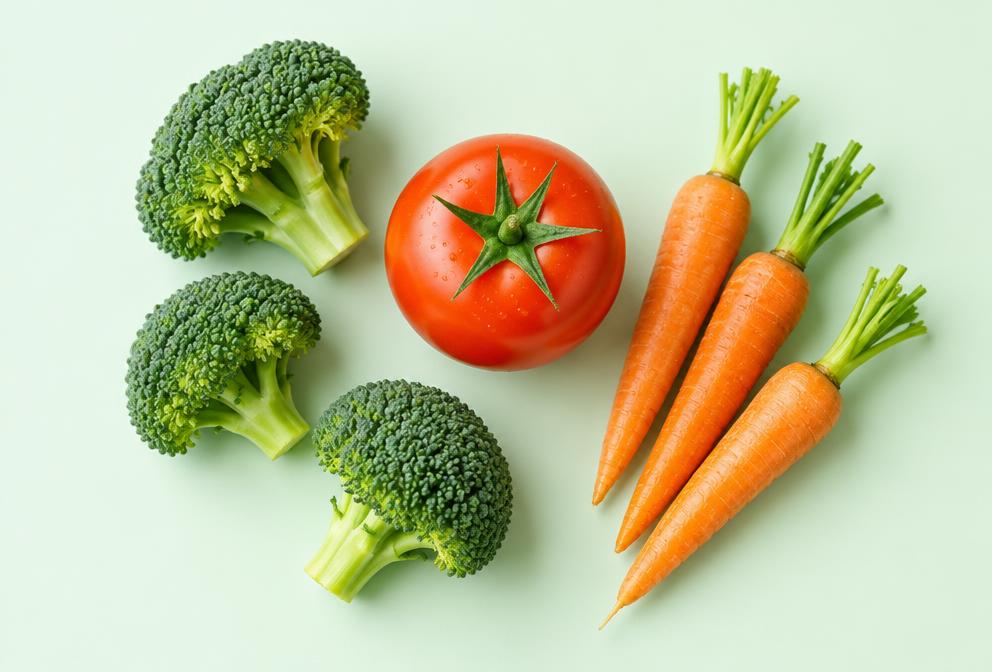
Broccoli and peppers offer vitamin C. Peas bring B1. Start with a small serving beside something they already love.
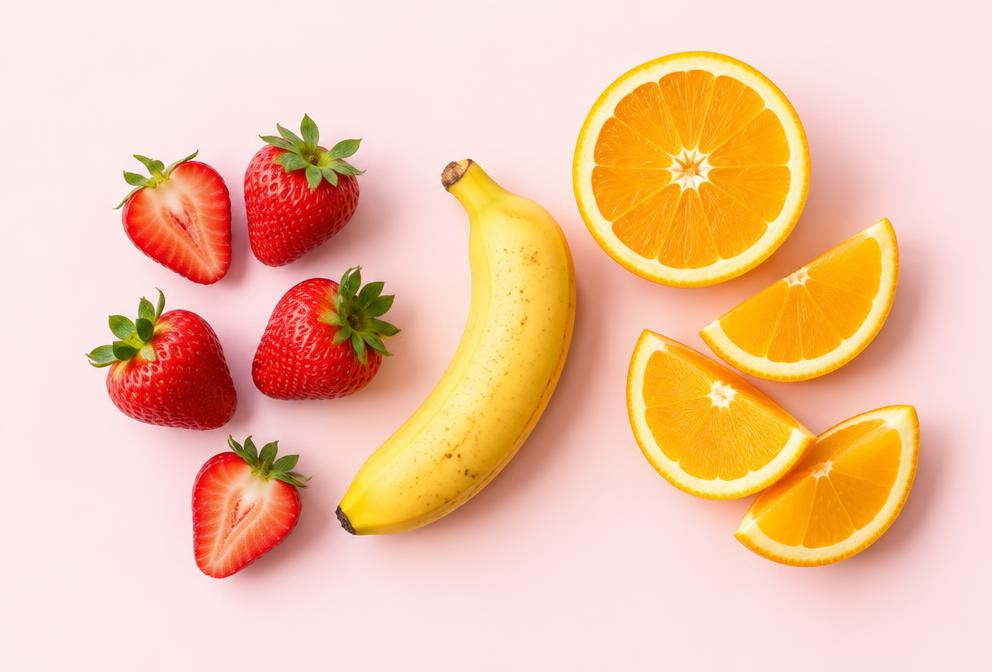
Strawberries and oranges make an easy vitamin C snack. Whole fruit brings fiber, too. Serve pieces safely for your child’s age.
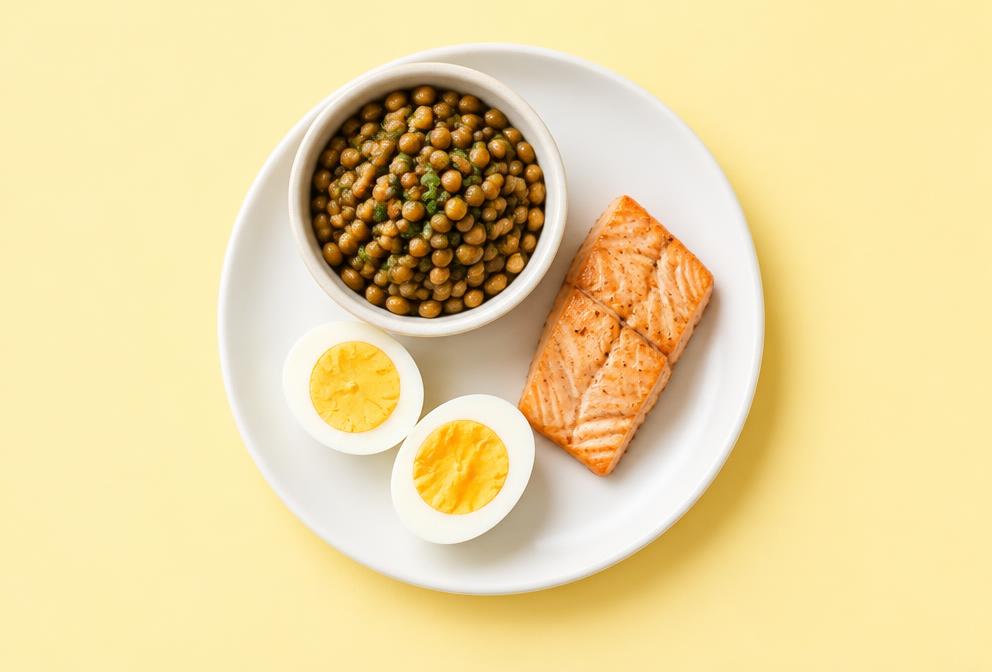
Eggs and fish provide B12. Oily fish offers vitamin D. Beans and lentils add iron and can fit into family favorites.
REAL FOODS, USEFUL NUTRIENTS
No single “superfood” covers everything. These everyday foods are useful starting points.
Whole grains, beans, peas and pork
Use a mix of grains and beans across the week.
Porridge at breakfast; peas or soft beans with lunch.
Fish, meat, eggs and dairy
For vegan children, fortified foods or a guided supplement are essential—not seaweed or unfortified plant foods.
Egg on toast, plain yogurt or cooked fish with potatoes.
Peppers, kiwi, strawberries, oranges and broccoli
Serve some fresh produce or cook vegetables briefly to help preserve vitamin C.
Soft pepper with a bean meal; fruit alongside porridge.
Oily fish, such as salmon or sardines; egg yolks
Natural food sources are limited. Fortified foods can help, but food alone may not meet needs; ask about local supplement guidance.
Cooked, carefully deboned salmon with rice.
Meat, lentils, beans and tofu
Iron from meat is absorbed more readily. Pair plant sources with vitamin C.
Lentil tomato sauce or soft bean patties with broccoli.
Adapt textures and portions to your child’s age. Remove fish bones, cook eggs and fish safely, and respect food allergies.
SMALL PAIRINGS, A LITTLE MORE GOODNESS
What you serve together—and how you prepare it—can make a difference.
Keep it simple. You do not need a perfect plate.
Vitamin C helps the body absorb iron from plant foods. Try lentils + tomato, beans + peppers, or porridge + strawberries in the same meal.
Vitamin D is fat-soluble: some fat in a meal helps absorption. A normal balanced meal is enough—there is no need to add lots of oil.
Vitamin C is sensitive to heat and can be lost into cooking water. Try steaming or short cooking times. Frozen vegetables are a practical option too.
Tea and coffee can reduce iron absorption when taken with food. Water is a simple mealtime choice; these drinks are not good choices for young children.
Large amounts of milk can fill children up and crowd out iron-rich meals. Keep offering a variety of foods rather than relying on one favorite drink or snack.
Good food pairings support a varied diet, but cannot treat an absorption problem or a confirmed deficiency on their own. Do not add high-dose vitamins or iron without medical advice.
These ideas support everyday eating. Your pediatrician can advise on your child’s individual needs.
Read more: Royal Children’s Hospital: nutrient deficiencies · NIH: vitamin D · NHS: iron and food pairings · NIH: vitamin B12
If you notice persistent changes in energy, appetite or growth, your child’s doctor is the right place to start. They can look at the whole picture and decide whether a blood test is needed.
Speak with a pediatrician before giving supplements. Too much of some vitamins or iron can be harmful. Food tips are support—not a substitute for care.
A FEW THINGS YOU MIGHT BE WONDERING
Information informed by NHS vitamin guidance and NIH nutrition resources.